


Short-Term and Long-Term Memory: How Does the Psyche Decide What to Keep?
A brief look at how the human psyche selects information, deciding what to store temporarily and what to transfer into long-term memory.
A brief look at how the human psyche selects information, deciding what to store temporarily and what to transfer into long-term memory.

The Potential of a Mature Individual: How Objectively Do We Evaluate Our Capabilities?

The problem is not only “low mood,” but also the way the brain processes information.

The problem is not when stress arises, but when it does not end.

Unlike ordinary fatigue, burnout does not disappear after rest. A person may take days off, go on vacation, or change their environment, yet the inner sense of emptiness and alienation persists.
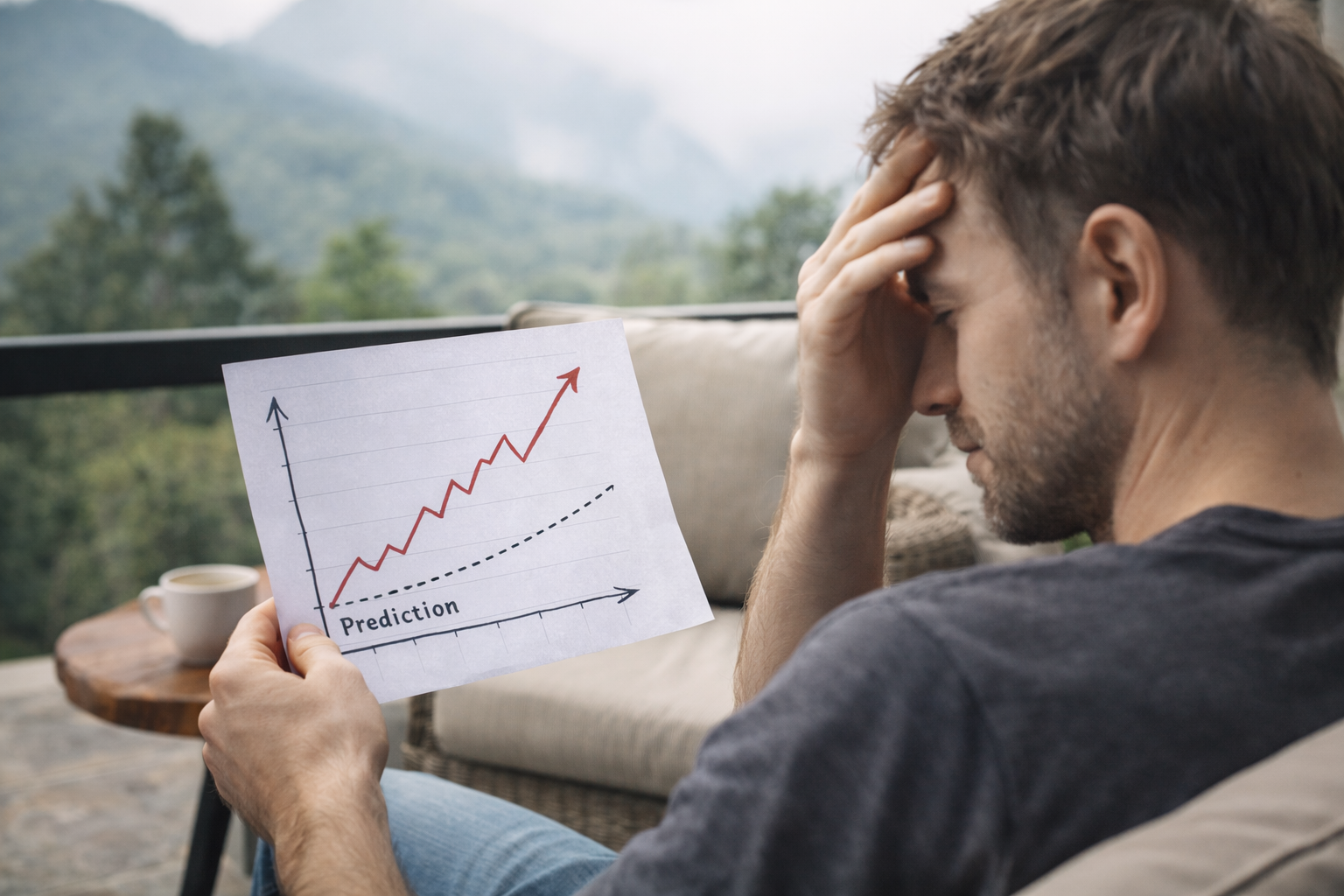
Hindsight effect is a cognitive bias in which, after learning the outcome of an event, a person perceives that outcome as having been more predictable than it actually was.

Memory does not record events; it constantly reshapes them based on our knowledge, expectations, and current state.

Adults continue to live by childhood strategies not because they failed to “grow up,” but because these strategies once helped them adapt.

The Pygmalion effect is a phenomenon in which the expectations of one person or a group influence another individual’s behavior and outcomes in such a way that those expectations begin to turn into reality.

The theory of multiple intelligences changed the way we talk about intelligence and abilities.

Potential is not a hidden reserve that can be measured once.
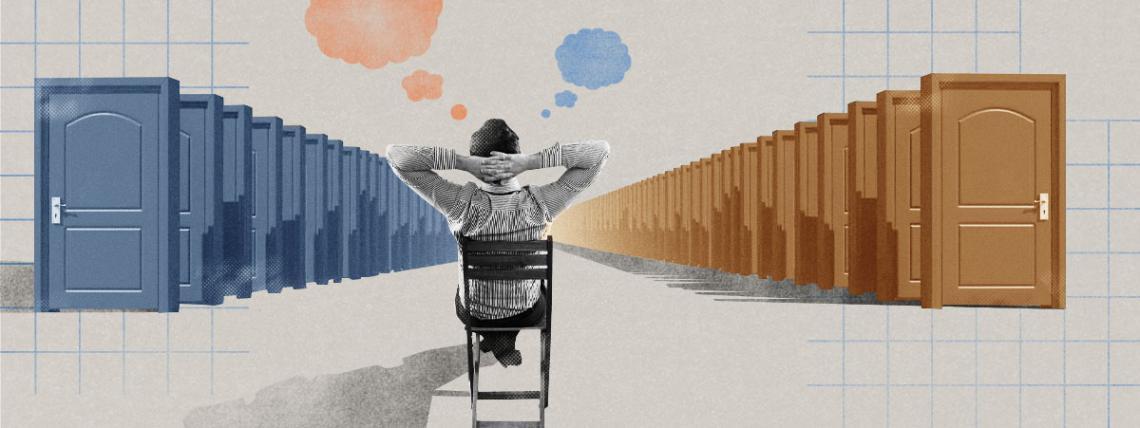
The psychology of decision-making completely dismantles the myth of the fully rational human.