

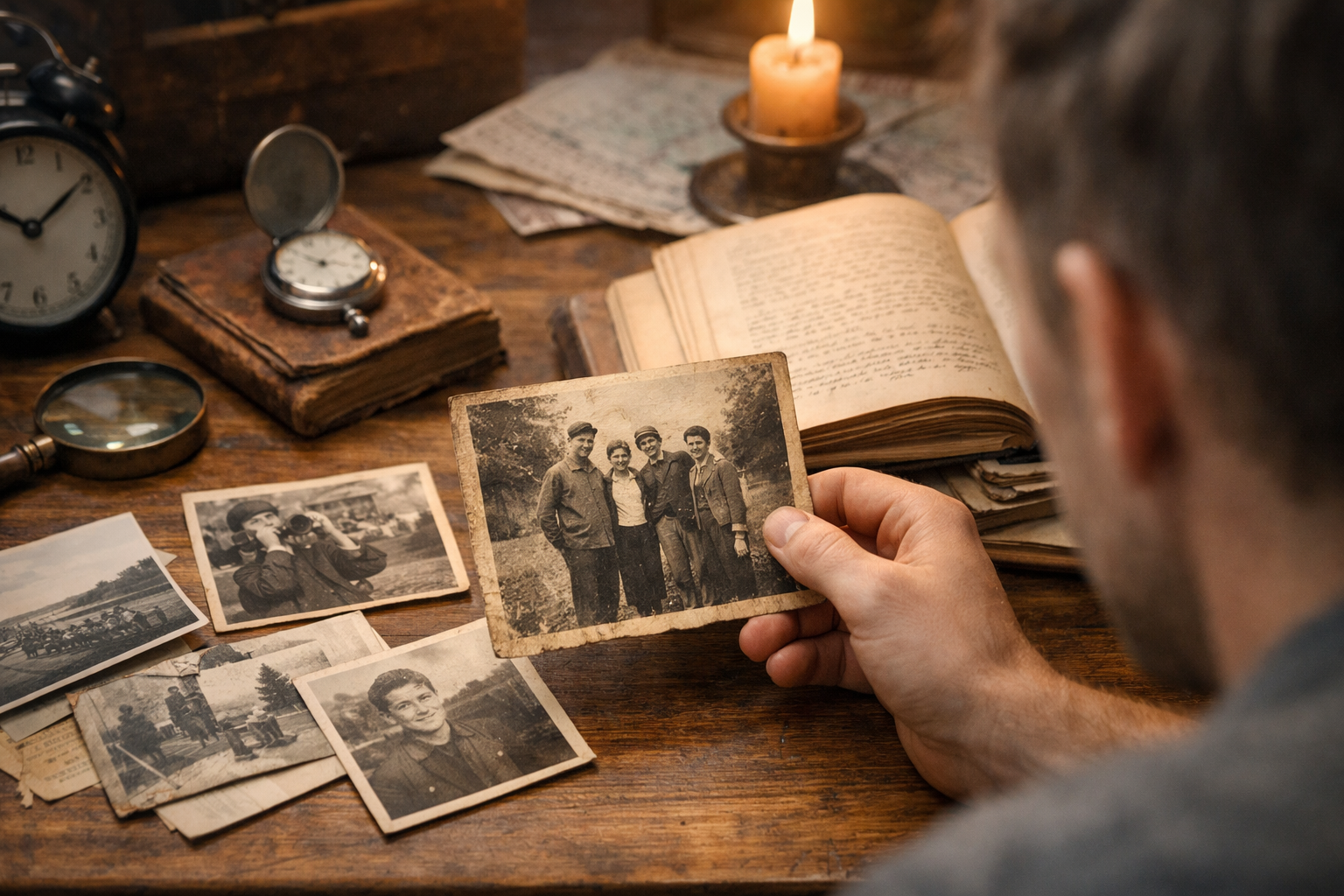
Why do we overvalue the past and distort our memories?
Memory does not record events; it constantly reshapes them based on our knowledge, expectations, and current state.
Memory does not record events; it constantly reshapes them based on our knowledge, expectations, and current state.

Adults continue to live by childhood strategies not because they failed to “grow up,” but because these strategies once helped them adapt.

The Pygmalion effect is a phenomenon in which the expectations of one person or a group influence another individual’s behavior and outcomes in such a way that those expectations begin to turn into reality.

The theory of multiple intelligences changed the way we talk about intelligence and abilities.

Potential is not a hidden reserve that can be measured once.
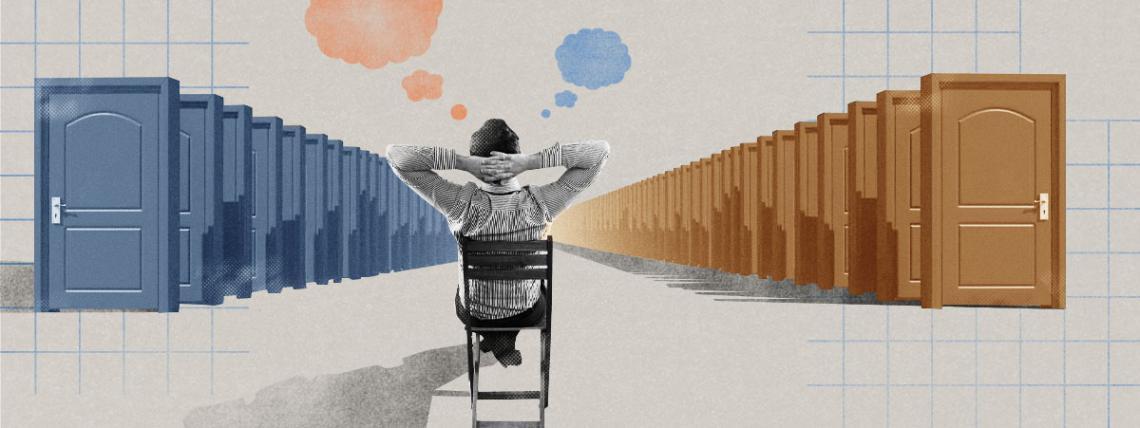
The psychology of decision-making completely dismantles the myth of the fully rational human.

What is Group Therapy?

Is it possible to quantitatively measure a characteristic that cannot be directly observed? The history of IQ tests is the history of a long-term search for an answer to this question—a process accompanied by scientific achievements, methodological compromises, and profound ethical lessons.

Where Do Parents’ Expectations Begin?

How the Selective Nature of Attention Shapes Human Perception — and Why Not Seeing Everything Is Not a Weakness of the Mind, but One of Its Core Features

In recent years, the discourse surrounding autism has evolved significantly