


Reading the Digital Code of Intelligence: D-CAS and a Decades-Old Scientific Legacy
Modern psychology has shifted its focus from the question 'how many points did the child score?' to 'how does the child process this information in their brain?
Modern psychology has shifted its focus from the question 'how many points did the child score?' to 'how does the child process this information in their brain?

D-CAS: How Does Your Brain Process Information — Have You Ever Measured It?

In recent years, artificial intelligence has become a constant participant in our everyday cognitive processes.

Often, we comply not because we are forced to, but because the situation itself makes obedience feel “normal".
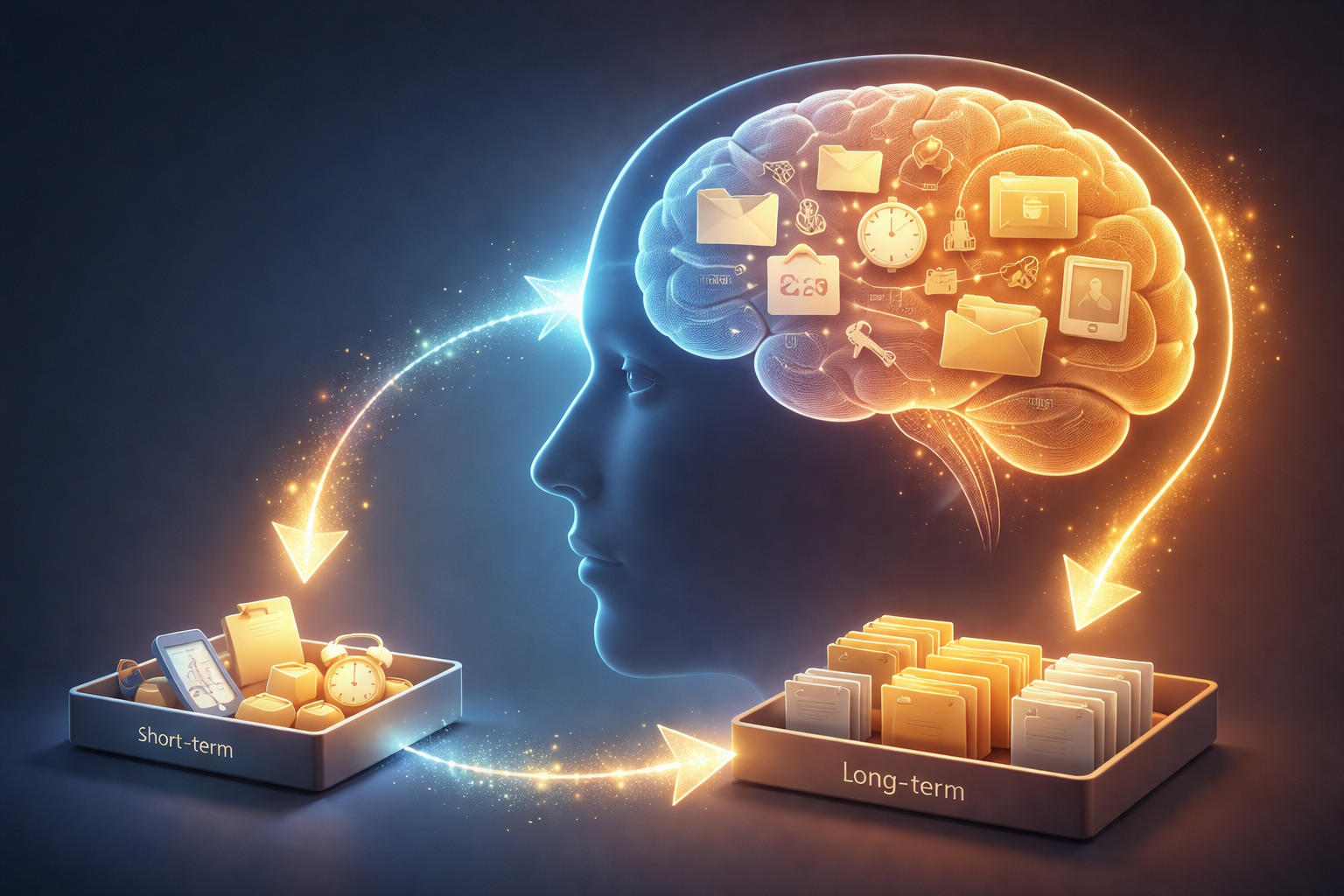
A brief look at how the human psyche selects information, deciding what to store temporarily and what to transfer into long-term memory.

The Potential of a Mature Individual: How Objectively Do We Evaluate Our Capabilities?

The problem is not only “low mood,” but also the way the brain processes information.

The problem is not when stress arises, but when it does not end.

Unlike ordinary fatigue, burnout does not disappear after rest. A person may take days off, go on vacation, or change their environment, yet the inner sense of emptiness and alienation persists.

Hindsight effect is a cognitive bias in which, after learning the outcome of an event, a person perceives that outcome as having been more predictable than it actually was.

Memory does not record events; it constantly reshapes them based on our knowledge, expectations, and current state.

Adults continue to live by childhood strategies not because they failed to “grow up,” but because these strategies once helped them adapt.